
Book Review: How Google does SRE
I’d like to share a book I’ve been working through for a while now. It’s a very dense read, packed with good practices and interesting details on how a team of exceptionally well-prepared people keeps planet-scale systems up and running.
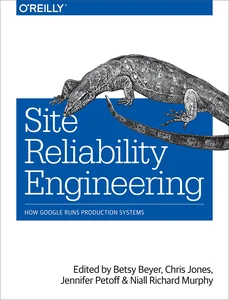
-
SRE engineers should be software engineers at heart. Infrastructure is now expressed as code, so the role demands strong engineering skills. Operational work should stay below 50% of an SRE’s time, because they have a dual mission: keeping today’s systems running while building tomorrow’s.
-
Going on call is the “rite of passage” for an SRE. It follows naturally from the thorough preparation during the first months on the job. There is also a sweet spot for how often an engineer gets paged each week: too few incidents and they start to lose touch with production, too many and they may begin ignoring alerts or burn out.
-
The environment is designed to bring out the best in people and deliver the best results for the company. Google looks for specific qualities in prospective SREs, which is a world of its own, but the core values that come through in the book are collaboration, mutual support, continuous improvement, and blameless post-incident analysis.
Several chapters cover the technologies Google uses to run services at planetary scale (and beyond). The technical detail can get confusing at times. I personally found the chapter on consensus algorithms hard to follow. On the other hand, the chapters on load balancing are essential reading for anyone aiming to enter this field, whether or not they want to work at Google.
Google has made the book freely available online (link).